If you have been struggling with gritty, burning, or irritated eyes, you have likely tried over-the-counter eye drops. Many people find themselves applying these drops multiple times a day, only to experience temporary relief that fades within hours. This cycle of applying drops and waiting for the discomfort to return is a common frustration for patients seeking a lasting solution.
The reason eye drops often fail to provide long-term comfort is that they only mask the symptoms rather than addressing the root cause of the problem. Most artificial tears simply add moisture to the surface of the eye. If the underlying issue is poor tear quality or blocked oil glands, adding more water will not prevent the tears from evaporating too quickly.
Finding the right solution requires understanding exactly what is happening on the surface of your eyes and within your eyelids. Advanced therapies can target the specific mechanisms causing your discomfort. This guide explains three of the most effective therapies available at NVISION Eyecare, helping you understand how they work and why a comprehensive evaluation is the most important step before choosing a treatment.
Why Eye Drops Alone Often Don’t Fix Dry Eye
To understand why traditional eye drops frequently fall short, we need to look at how a healthy tear film functions. Your tears are made up of three distinct layers: a mucous layer that binds the tears to the eye, a watery (aqueous) layer that provides moisture, and an outer lipid (oil) layer that prevents the water from evaporating.
For the vast majority of people suffering from chronic dry eye, the watery layer is not the primary issue. Instead, they have evaporative dry eye, which occurs when the outer oil layer is deficient. This lack of oil allows the watery part of the tears to evaporate rapidly, leaving the ocular surface exposed and vulnerable to friction.
This missing oil is usually the result of meibomian gland dysfunction. The meibomian glands are tiny structures located along the edges of your upper and lower eyelids. When they become blocked or inflamed, they cannot secrete the clear, healthy oils necessary to protect your tears. Standard watery eye drops do nothing to unblock these glands or reduce the underlying inflammation. To find the best dry eye treatment NZ has to offer for your specific condition, you must look beyond temporary lubrication and focus on restoring proper gland function.
What Causes Dry Eye Disease?
Dry eye is a complex, multifactorial condition. Identifying the specific cause is crucial for selecting the most effective therapy.
Meibomian Gland Dysfunction (MGD)
MGD is the leading contributor to dry eye disease worldwide. Healthy meibomian glands produce a thin, clear oil that spreads evenly across the eye with every blink. When these glands become compromised, the oil thickens into a toothpaste-like consistency, causing blockages. Over time, blocked oil glands in the eyes can atrophy and die off completely if left untreated. Prompt MGD treatment is essential to preserve these vital glands and stabilize the tear film.
Inflammation and Tear Instability
Inflammation often creates a vicious cycle on the surface of the eye. When tears evaporate too quickly, the friction from blinking damages the surface cells. The body responds to this microscopic damage with an inflammatory response. This inflammation further degrades tear quality and disrupts the delicate nerves on the cornea, leading to heightened sensitivity, redness, and a persistent burning sensation.
Screen Time and Modern Lifestyle Factors
Our modern habits play a significant role in exacerbating dry eye symptoms. When you stare at a computer, smartphone, or tablet, your blink rate drops by up to 50 percent. Furthermore, the blinks that do occur are often partial or incomplete. Since the physical action of a full blink is required to squeeze oil out of the meibomian glands, reduced blinking leads to oil stagnation. Over time, frequent dry eye from screens can accelerate the progression of meibomian gland dysfunction.
What Is IPL for Dry Eye?
Intense Pulsed Light (IPL) therapy was originally developed for dermatology, but it has become a cornerstone of modern ocular surface care. For patients seeking IPL dry eye Auckland treatments, this therapy specifically targets the inflammatory root causes of the disease.
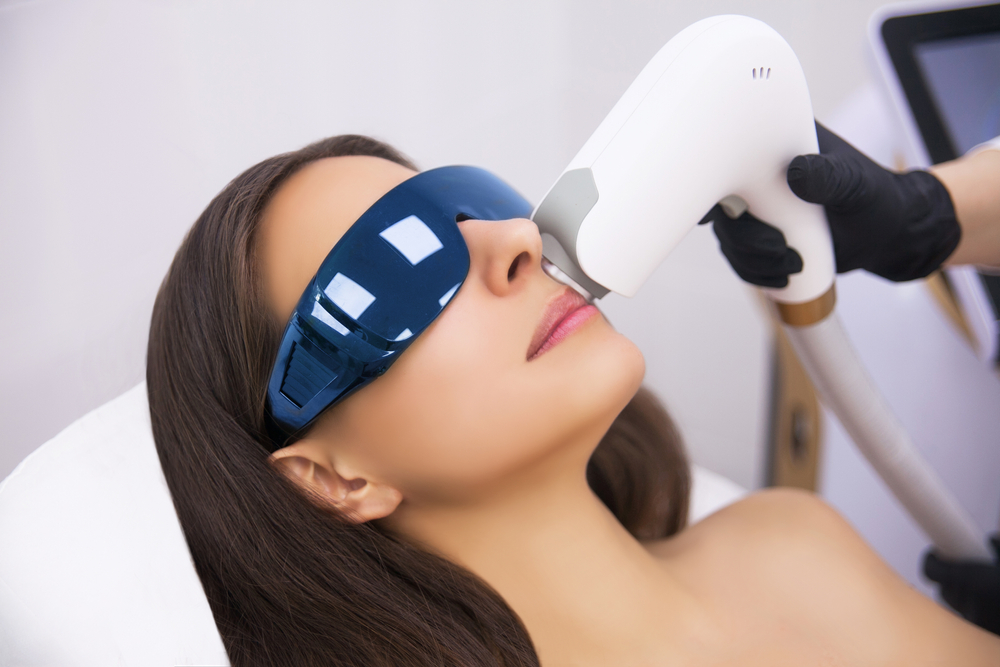
During an intense pulsed light dry eye treatment, a device delivers precise bursts of light to the skin around the eyelids and upper cheeks. This light energy is absorbed by abnormal blood vessels (telangiectasia) that often form around the eyelids in patients with chronic inflammation or ocular rosacea. By closing off these leaky blood vessels, IPL stops inflammatory markers from reaching the meibomian glands.
Additionally, the light energy generates mild heat, which helps to warm and soften the hardened oils trapped inside the glands. IPL meibomian gland dysfunction protocols also help reduce the bacterial load and Demodex mites on the eyelid margins, promoting a healthier environment for tear production.
What Is LipiFlow and How Does It Work?
While IPL focuses heavily on inflammation, LipiFlow is designed to directly address structural blockages within the eyelids. LipiFlow treatment uses a patented technology known as vector thermal pulsation to clear obstructed meibomian glands.
During the procedure, single-use sterile activators are placed over and under the eyelids, vaulting over the cornea to protect the eye itself. The device applies localized heat directly to the inner surface of the eyelids, precisely where the meibomian glands are located. This melts the hardened, stagnant oils. Simultaneously, the system applies gentle, massaging pressure to the outer eyelids to squeeze out the blockages.
When comparing LipiFlow vs IPL, it helps to think of LipiFlow as a deep-cleaning extraction process for blocked oil glands in the eyes. It is highly effective at physically removing obstructions and restoring the natural flow of lipids, provided the glands are still structurally intact and capable of producing oil.
What Is Rexon-Eye Treatment?
Rexon-Eye is an innovative, non-invasive therapy that approaches the condition from a completely different angle. Rather than using light or thermal pressure, Rexon-Eye dry eye treatment utilizes quantum molecular resonance (QMR) technology.
This advanced dry eye therapy delivers low-power, high-frequency bioelectrical stimulation to the tissues around the eyes through comfortable treatment masks. The specific frequencies used by Rexon-Eye stimulate cellular repair and regeneration. This bioelectrical signaling encourages the natural metabolism of the cells, targeting both the meibomian glands (which produce oil) and the lacrimal glands (which produce water).
For patients exploring a Rexon-Eye NZ provider, this treatment is particularly appealing because it works at a cellular level to support long-term nerve and gland function. It is a painless, relaxing procedure that can benefit a wide variety of dry eye subtypes.
IPL vs LipiFlow vs Rexon-Eye: The Main Differences
Choosing the right therapy requires matching the mechanism of action to your specific clinical presentation. Here is a dry eye treatment comparison based on their primary strengths.
Best for Inflammation
IPL is the gold standard for inflammatory dry eye. If your eyelids are red, swollen, or you suffer from ocular rosacea, IPL addresses the vascular causes of this inflammation directly. It shuts down the abnormal blood vessels that feed the inflammatory cycle.
Best for Blocked Meibomian Glands
LipiFlow is exceptional at clearing physical obstructions. If your glands are severely blocked with thickened oil, heating them from the inside while applying controlled expression is highly effective. In the debate of LipiFlow vs IPL, LipiFlow is often chosen when the primary goal is rapid, thorough evacuation of stagnant gland contents.
Best for Long-Term Ocular Surface Support
Rexon-Eye shines in its ability to stimulate cellular regeneration and treat both aqueous and evaporative deficiencies. It is often considered the best dry eye treatment NZ offers for patients needing broad-spectrum support for cellular repair and tear production without thermal or light-based interventions.
Which Dry Eye Treatment Is Best for Your Symptoms?
Symptoms can provide valuable clues about which therapy might be most appropriate, though a clinical assessment is always required to confirm.
Burning or Red Eyes
A burning sensation, particularly one accompanied by visible redness on the eye or along the eyelid margins, strongly suggests active inflammation. These patients frequently see the most improvement from IPL therapy.
Watery Eyes That Still Feel Dry
It sounds counterintuitive, but excessive tearing is a classic sign of evaporative dry eye. Your eyes sense they are drying out rapidly due to poor oil quality, so they over-produce watery tears in a panic response. Clearing the blockages with LipiFlow often stops this reflex tearing.
Screen-Related Dry Eye
Patients who experience a worsening of symptoms after long days at the computer often have stagnant oil glands due to reduced blinking. Depending on the severity of the blockages, either LipiFlow to clear the glands or Rexon-Eye to stimulate natural function can be highly beneficial.
Contact Lens Discomfort
Contact lenses disrupt the tear film and can create mechanical friction. If your lenses become uncomfortable after a few hours, stabilizing the tear film is critical. Therapies that improve the lipid layer, such as IPL or LipiFlow, can dramatically increase contact lens wearing time.
Can Dry Eye Treatments Be Combined?
Many patients present with a complex mixture of blockages, inflammation, and cellular distress. Because these therapies target different aspects of the disease, combination therapy is often the most successful path forward.
For instance, a patient with severe ocular rosacea and severely blocked meibomian glands might undergo IPL to reduce the widespread inflammation, followed by LipiFlow to safely extract the now-softened blockages. An individualized care plan—tailored to the exact state of your tear film and eyelid health—yields far better results than a one-size-fits-all approach. Your assessment dictates the sequence and combination of therapies required to stabilize your ocular surface.
How NVISION Assesses Dry Eye Before Recommending Treatment
At NVISION Eyecare, we do not guess which treatment will work best. As a dedicated dry eye clinic Auckland residents trust, we rely on advanced diagnostic technology to visualize exactly what is happening beneath the surface.
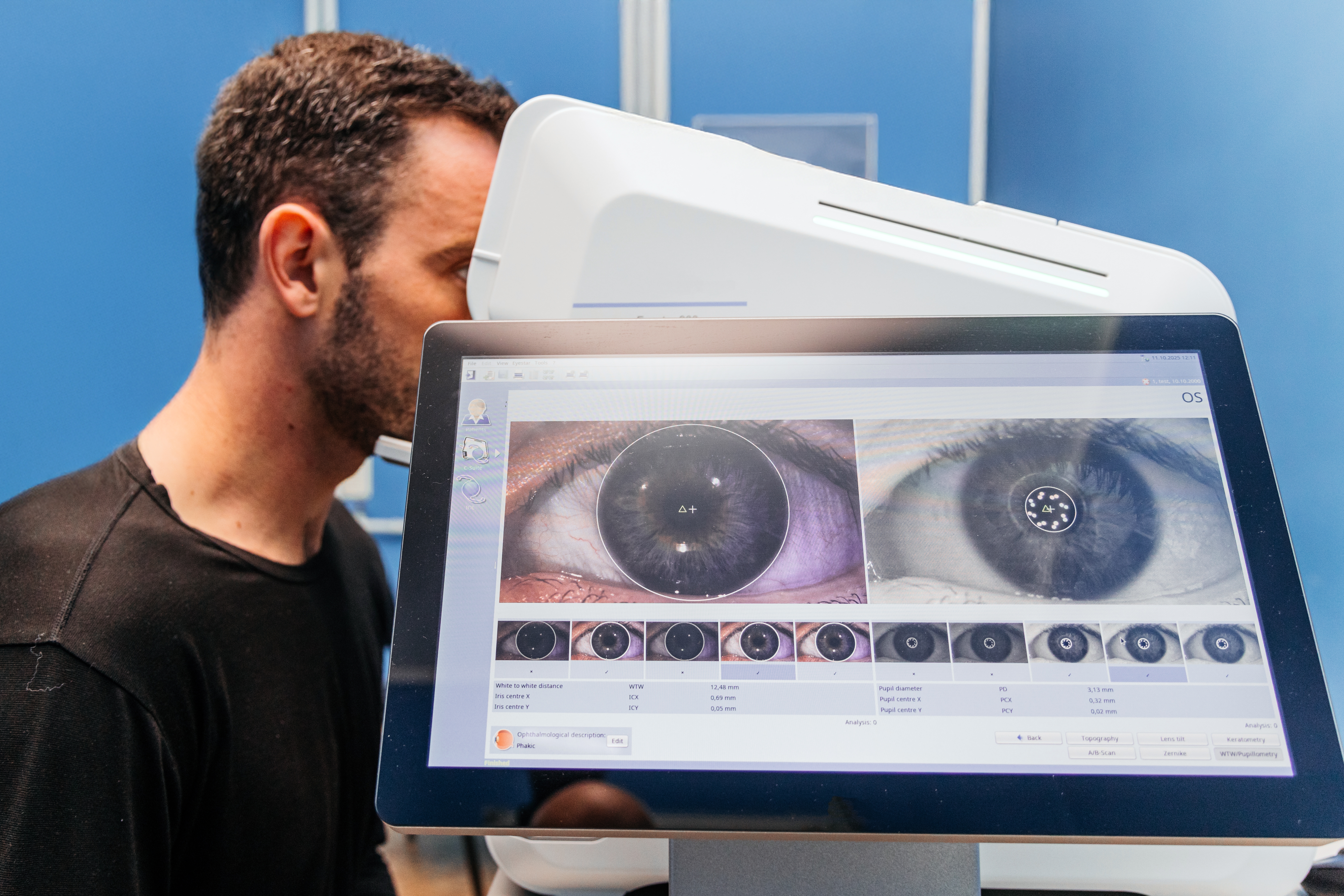
During a comprehensive dry eye assessment Auckland patients undergo a thorough evaluation. We utilize high-resolution meibomian gland imaging to look at the physical structure of your oil glands, checking for dropout or atrophy. We conduct a detailed tear film analysis to measure exactly how quickly your tears evaporate and assess the volume of tears you produce. Only by analyzing these specific metrics can we recommend a targeted, evidence-based treatment plan that addresses your unique underlying causes.
Dry Eye Treatment in Auckland: Choosing the Right Approach
Navigating the various options for chronic dry eye treatment can feel overwhelming, but you do not have to make the decision alone. Finding lasting relief requires an expert understanding of how these advanced technologies interact with your specific ocular anatomy.
Whether you require IPL dry eye Auckland services to manage stubborn inflammation, LipiFlow Auckland treatments to clear structural blockages, or Rexon-Eye to promote cellular healing, prioritizing a detailed diagnostic evaluation is the crucial first step. By understanding the root cause of your symptoms, you can finally move past temporary fixes and achieve long-term ocular comfort.
Book a Dry Eye Assessment
Ready to find out which therapy is right for your eyes? Book a comprehensive dry eye assessment at NVISION Eyecare today. Our clinical team will thoroughly evaluate your tear film and meibomian glands to create a customized treatment plan designed to bring you lasting relief.