Myopia, or nearsightedness, often begins in childhood and can gradually worsen as a child grows. When myopia progresses, distance vision becomes blurrier and stronger prescriptions may be needed over time. Early recognition matters because progressive myopia can increase the risk of more serious eye problems later in life.
Squinting and Trouble Seeing Far Away
One of the most common signs of worsening nearsightedness is difficulty seeing objects in the distance. A child may squint to read the board at school, struggle to recognize faces from farther away, or complain that signs and screens look blurry. These changes can be easy to miss at first, especially if they happen gradually.
Sitting Closer to Screens and Holding Things Near
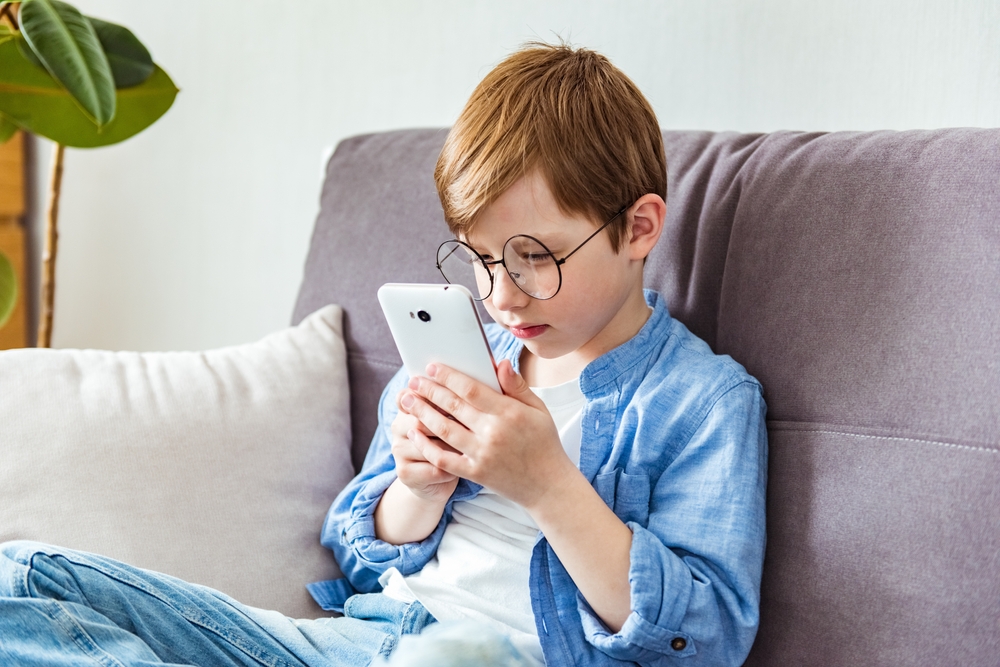
Children with progressing myopia often move closer to televisions, tablets, or books so they can see more clearly. They may also hold reading material unusually close to their face. While this habit does not always mean myopia is worsening, it is a common signal that a child’s distance vision may be changing.
More Headaches and Eye Strain
When a child works harder to see clearly, symptoms like headaches, tired eyes, or rubbing the eyes may become more noticeable. These complaints can happen after school, homework, or extended screen use. If these issues are becoming more frequent, a comprehensive eye exam may be needed to check whether the prescription has changed.
Signs Parents Often Notice First
Parents are often the first to spot small behavior changes that suggest worsening nearsightedness, such as:
Squinting to see distant objects
Moving closer to screens
Holding books very close
Complaining that far-away objects look blurry
Increased headaches or eye fatigue
These signs do not confirm progressive myopia on their own, but they are strong reasons to schedule an eye exam.
Why Ongoing Monitoring Matters
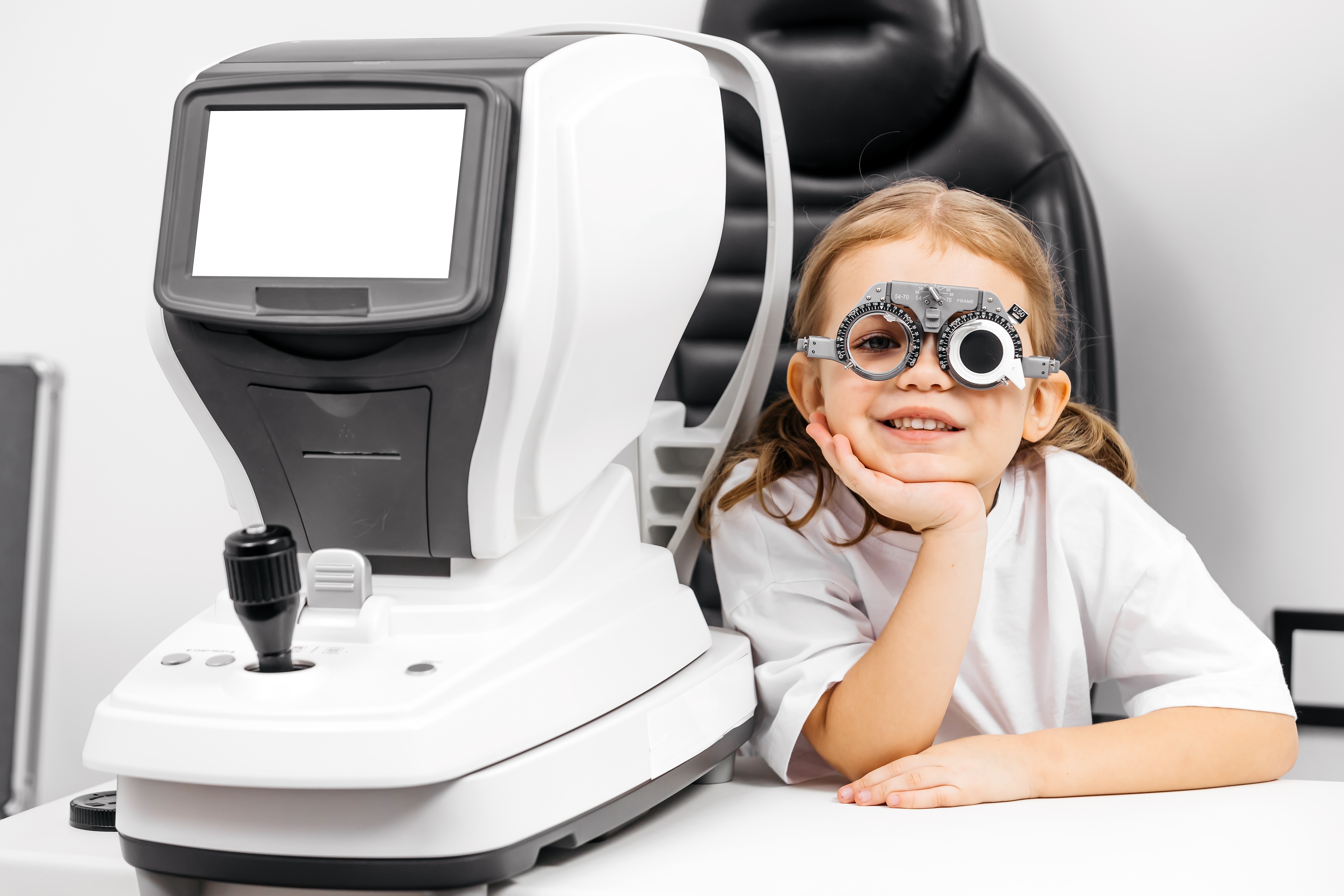
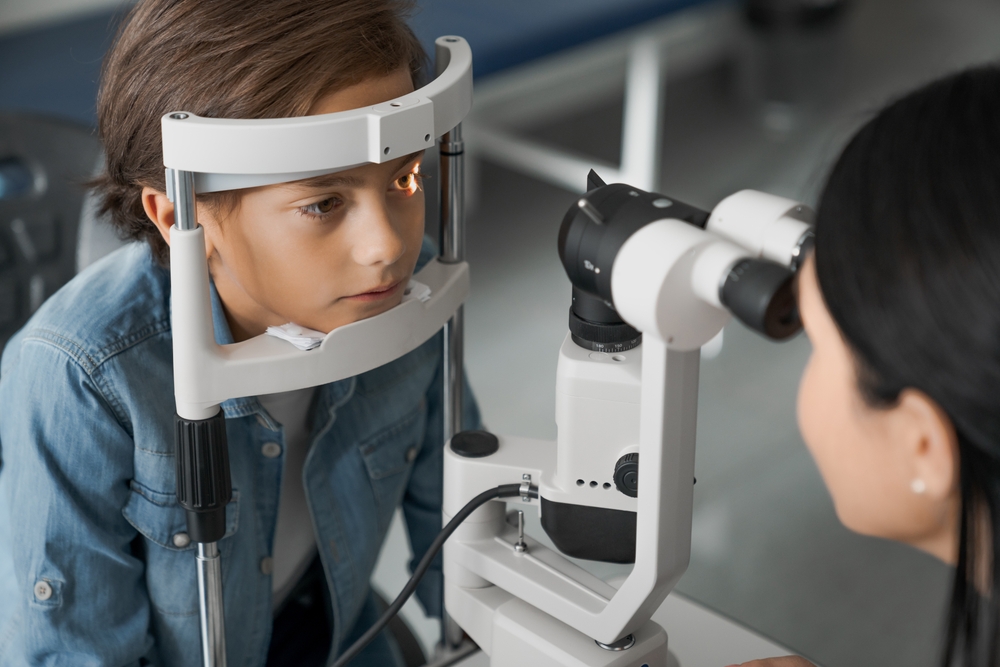
Myopia often gets worse during childhood, especially in the school-age years. The earlier it starts, the more time it may have to progress. Regular eye exams can help track prescription changes and determine whether myopia management options may be appropriate to help slow progression.
When to Schedule an Eye Exam
If your child is showing changes in distance vision, visual comfort, or daily habits, it is a good time to schedule an eye exam. Clear answers and early care can make a meaningful difference as your child’s eyes continue to develop. NVISION Eyecare also offers myopia control services in Auckland, including Ortho-K, for children who may need more than standard vision correction.
If you are concerned that your child’s nearsightedness may be getting worse, contact NVISION Eyecare in Auckland, New Zealand by calling 09-475 5548 or visiting Apollo Health & Wellness Centre, Level 1, Suite 104, 119 Apollo Drive, Rosedale, Auckland 0632.