It is a familiar routine for many parents. You take your child for their annual eye exam, only to discover their vision has worsened again. You pick out a new frame, update the lenses, and they can see clearly for another year. But underneath this routine lies a growing concern: why does their vision keep deteriorating, and is there a way to stop it?
When a child’s prescription increases every year, simply updating their glasses treats the symptom but ignores the underlying cause. Myopia, commonly known as nearsightedness, occurs when the eye grows too long from front to back. Standard glasses help a child see clearly in the moment. They do not, however, stop the eye from continuing to elongate.
This is where the conversation between parents and optometrists is shifting. Instead of just correcting blurry vision, eye care professionals are now focusing on how to slow myopia progression. Understanding the difference between traditional correction and active myopia control is the first step in protecting your child's long-term visual health.
Do Glasses Slow Myopia Progression?
The short answer is no. Standard single-vision glasses do not slow the progression of myopia.
When parents ask, "do glasses slow myopia?", there is often a misunderstanding about how standard lenses function. Standard glasses are designed purely for visual compensation. They bend the light entering the eye so that it focuses perfectly on the center of the retina, providing sharp, clear vision.
However, standard lenses only focus light correctly at the very center of the eye. Light entering the peripheral areas of the retina actually focuses slightly behind it. The eye interprets this peripheral blur as a signal to grow longer in an attempt to catch up with the focal point. Because of this mechanism, standard glasses can inadvertently encourage the eye to continue elongating. So, if you are wondering if glasses vs myopia control is a fair comparison, it is important to realize that standard glasses correct vision for today, but they do nothing to protect vision for tomorrow.
What Is Myopia Control and How Is It Different?
Myopia control refers to a group of specialized treatments designed to slow down the physical lengthening of the eye. While standard glasses only provide clear central vision, a myopia control treatment changes how light focuses across the entire retina.
The goal of these treatments is to remove the signal that tells the eye to keep growing. By managing this peripheral light focus, we can actively slow myopia progression. This is a fundamental shift in childhood myopia treatment. We are no longer just putting a band-aid on the blurry vision; we are working to preserve the structural integrity of the eye. This proactive approach focuses heavily on long-term eye health and significant risk reduction for future eye diseases.
Myopia Control vs Glasses: The Real Difference
To fully understand myopia control vs glasses, it helps to break down exactly what each option does for your child's eyes on a daily basis.
What Glasses Do
Standard single-vision glasses provide an immediate fix for blurry distance vision. When your child puts them on, they can clearly see the board at school, recognize faces across the playground, and watch television without squinting. They are highly effective at providing clear central vision. However, as the child grows and their eyes continue to elongate, that prescription will inevitably become too weak, requiring thicker lenses at the next annual check-up.
What Myopia Control Does
Myopia control works on a deeper optical level. Whether through specialized lenses or eye drops, these treatments provide the clear central vision a child needs while simultaneously altering the peripheral light rays. By focusing the peripheral light on or in front of the retina, myopia control removes the biological stimulus that causes the eye to stretch. It is a dual-action approach: clear vision for today and slowed eye growth for the future.
Why This Matters Long Term
The distinction between these two approaches is critical for a child's future. Slowing myopia in children means they will likely end up with a much lower prescription as adults. A lower prescription means thinner, lighter lenses and less reliance on heavy visual aids. More importantly, keeping the prescription low significantly reduces the high myopia risk associated with elongated eyes, protecting their sight well into their adult years.
Why Slowing Myopia Progression Is Important
The conversation around myopia getting worse in a child is not just about the inconvenience of thick glasses. It is about ocular health. When an eye grows excessively long, the tissues inside the eye—specifically the retina—become stretched and thinned.
This stretching significantly increases the high myopia risks later in life. Adults with high myopia have a statistically higher chance of developing severe complications, including retinal detachment, where the thinned tissue pulls away from the back of the eye. They are also at a higher risk for developing early-onset cataracts and glaucoma.
Understanding why control myopia is so heavily emphasized by optometrists comes down to these long-term threats. The dangers of high myopia can lead to irreversible vision loss. By intervening while the eye is still developing, we can limit how much the eye stretches, fundamentally reducing the lifetime risk of these severe myopia complications.
Best Myopia Control Options for Children
Every child is unique, and the best treatment for childhood myopia depends on their specific prescription, lifestyle, and maturity level. Optometrists have several evidence-based tools available to slow eye growth.
Orthokeratology (Ortho-K)
Orthokeratology for kids, often called Ortho-K, involves wearing custom-designed rigid gas permeable contact lenses overnight. While the child sleeps, the lenses gently reshape the front surface of the eye (the cornea). When they wake up and remove the lenses, they enjoy clear, glasses-free vision throughout the day. The reshaped cornea also changes how peripheral light enters the eye, providing excellent myopia control. This is a highly popular option for active children and those who play water sports.
Myopia Control Contact Lenses
Specialized soft daily disposable contact lenses are another highly effective method. Unlike standard soft contacts, myopia control lenses feature distinct optical zones. The center of the lens provides clear distance vision, while concentric rings around the center create the necessary peripheral focus to slow eye growth. Because they are replaced daily, they are hygienic and relatively easy for young children to learn how to handle.
Myopia Control Glasses
For children who are not quite ready for contact lenses, myopia control glasses are a breakthrough technology. These lenses look like standard glasses but feature hundreds of microscopic defocus segments built into the lens material. These segments scatter peripheral light in a way that stops the eye from elongating. They are non-invasive, simple to use, and require no change in the child's daily routine.
Atropine Eye Drops
Low-dose Atropine eye drops are a pharmacological approach to myopia control. Administered as a single drop in each eye before bedtime, Atropine relaxes the focusing mechanism of the eye and has been shown to effectively slow progression. Children using Atropine drops will usually still need standard glasses or contacts to see clearly during the day, as the drops manage the eye growth but do not correct the blurry vision.
When Should You Start Myopia Control?
Parents frequently ask when to start myopia control. The clinical answer is: as soon as myopia is diagnosed and shows signs of progressing. The younger a child becomes myopic, the faster their vision tends to deteriorate, and the higher their final prescription will likely be.
If your child prescription increasing is a yearly occurrence, intervention should happen immediately. The window to make the most significant impact on their final adult prescription is during their primary school and early high school years, when the eyes are growing the fastest. Waiting to see if the progression slows down on its own simply allows the eye to stretch further, permanently increasing their risk profile.
Signs Your Child May Need Myopia Control Instead of Glasses
Children rarely notice that their vision is gradually worsening, which means parents need to watch for behavioral cues. If you notice your child's eyesight worsening shortly after getting new glasses, it is time to discuss myopia control.
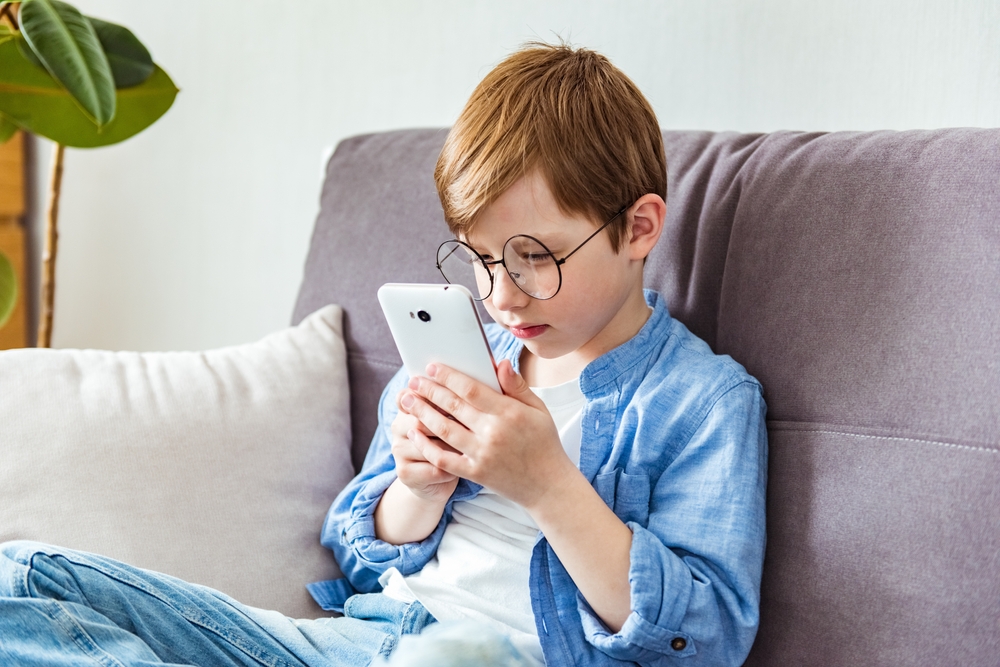
Key indicators that your child myopia getting worse include moving closer to digital devices or the television, frequent squinting to see objects in the distance, and complaints of frontal headaches after school. Additionally, if both parents are near-sighted, the genetic family history places the child at a much higher risk for rapid myopia progression children. A prescription increasing yearly is the most definitive sign that standard glasses are no longer an adequate management strategy.
Myopia Control vs Glasses: Which Is Right for Your Child?
Deciding between standard glasses and a dedicated myopia control program comes down to your goals for your child’s eye health. If the prescription is very low and stable, standard glasses might be sufficient for the time being. However, if the prescription is changing, myopia control is the medically recommended path.
Choosing the right method—whether that is Ortho-K, soft lenses, or specialized glasses—requires a detailed assessment of the eye's shape, length, and the child's daily habits. An optometrist will map the eye, measure its axial length, and discuss which option fits seamlessly into your family's routine.
Myopia Control in Auckland: What Parents Should Know
For parents navigating these choices, finding a clinic that specializes in advanced pediatric eye care is crucial. At NVISION Eyecare, an independent optometry clinic in Albany, we specialize in comprehensive myopia control Auckland.
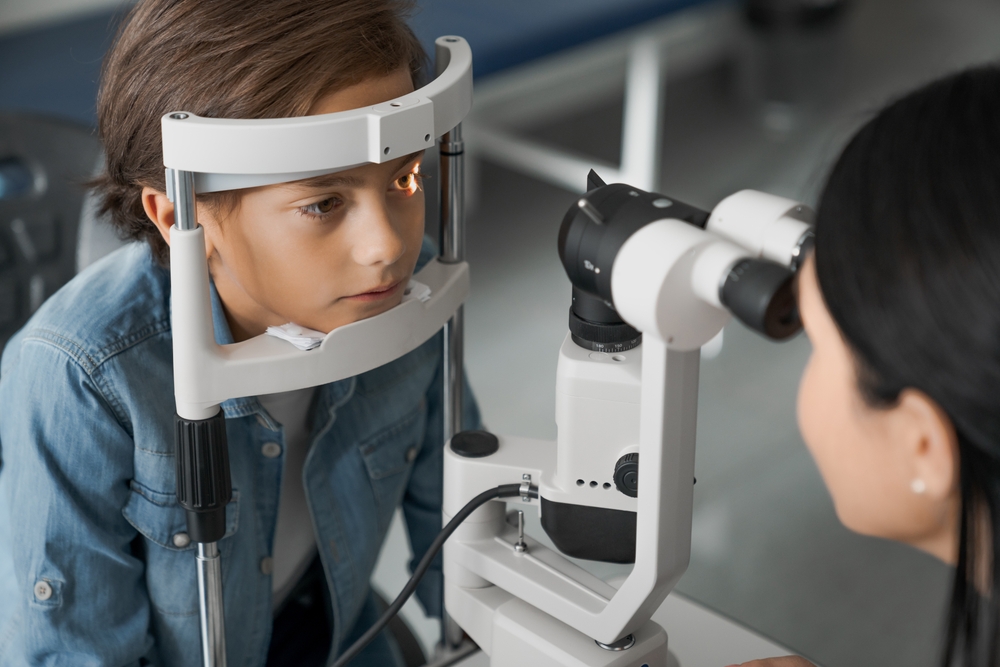
Every child's eyes develop differently, which is why a standard eye test is not enough to manage progressive myopia. An advanced children eye exam Auckland involves measuring the actual length of the eyeball using specialized biometric equipment. This precise data allows your Auckland optometrist to track microscopic changes over time and adjust the treatment plan to ensure the maximum slowing effect is achieved.
Book a Myopia Control Assessment
If you are concerned about your child relying on increasingly thicker glasses each year, it is time to look beyond standard vision correction. Early intervention is the key to protecting their sight and ensuring their eyes remain as healthy as possible into adulthood.
Book a myopia control assessment with our experienced team today. We will take the time to map your child's vision, answer your questions, and design a customized treatment plan that fits their lifestyle and protects their future.