Ortho-K vs LASIK: Which Vision Correction Option Is Right for You?
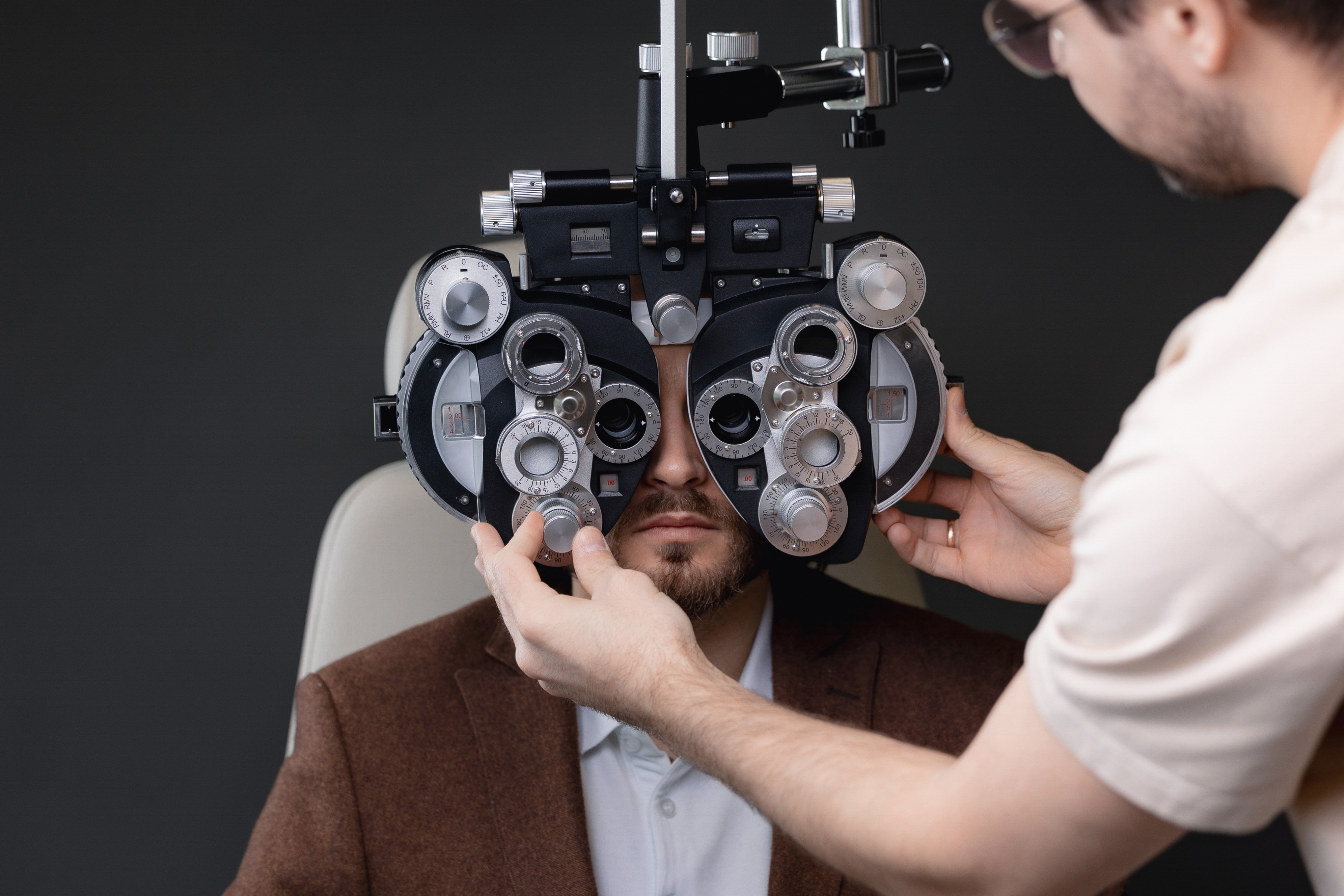
Ortho-K and LASIK can both reduce dependence on glasses or daytime contact lenses, but they work in fundamentally different ways. Ortho-K is a non-surgical, reversible treatment using custom overnight lenses to temporarily reshape the cornea. LASIK is a surgical procedure that permanently reshapes corneal tissue. Suitability for either option depends on individual eye health, prescription, lifestyle and professional assessment.
Reducing your dependence on glasses or contacts is a goal shared by many adults—but the path to achieving that looks very different depending on the approach you take. Adults seeking a reversible, non-surgical option can learn more about Ortho-K in Auckland and the assessment and fitting process available at our Rosedale practice. For those who are also researching LASIK, understanding how the two options differ is a useful starting point before speaking with the appropriate provider.
This article compares Ortho-K and LASIK across the factors that matter most to adults: how each treatment works, who may be suitable, daily requirements, risks, reversibility and lifestyle fit. Our aim is to give you clear, balanced information—not to steer you toward a single answer, because the right choice depends entirely on your eyes, your health and your goals.
Ortho-K and LASIK at a Glance
Factor | Ortho-K | LASIK |
Surgical or non-surgical | Non-surgical | Surgical |
Corneal change | Temporary | Permanent |
How it's maintained | Nightly lens wear | One-time procedure |
Prescription stability required | Assessment-dependent | Generally required before surgery |
Age considerations | Suitable across a broad age range following assessment | Typically adults with a stable prescription |
Recovery or adaptation period | 1–4 weeks to reach optimal vision | Days to weeks post-surgery |
Follow-up requirements | Ongoing reviews, lens replacements | Post-operative care; ongoing monitoring |
Reversibility | Fully reversible | Not reversible |
Provider responsible | Optometrist (for Ortho-K assessment and fitting) | Ophthalmologist or refractive surgeon |
Neither option is universally better. Suitability depends on the patient's eyes, prescription, general health, lifestyle and personal preferences. Both require professional assessment before any treatment begins.
How Does Ortho-K Work?
Orthokeratology uses individually fitted rigid gas-permeable lenses worn during sleep. The lenses apply a controlled amount of pressure to the front surface of the cornea, temporarily flattening its central zone so that light focuses more clearly after the lenses are removed in the morning. The effect is not permanent—regular nightly wear is required to maintain clear daytime vision.
At our Rosedale practice, the fitting process begins with corneal topography, which produces a detailed map of the eye's surface. Our optometrists use this data to design lenses precisely matched to each patient's corneal shape. Once lenses are fitted, patients receive hands-on instruction covering insertion, removal, cleaning and safe handling, as well as a schedule of follow-up appointments to monitor progress.
Who May Be Suitable for Ortho-K?
Adults with mild to moderate short-sightedness and astigmatism are often good candidates for Ortho-K assessment. Active adults and athletes find it particularly practical, since there are no lenses to manage during sport and no risk of a lens shifting mid-activity. Patients who prefer to avoid permanent surgery—or who are not yet eligible for it—may also find Ortho-K a useful long-term or interim solution.
Suitability is not something that can be determined from a general description. A thorough assessment is always required to evaluate corneal shape, prescription, tear film health and overall eye health before any fitting takes place.
What Does Ortho-K Require?
Ortho-K is not a passive or maintenance-free treatment. Patients wear their lenses every night (or a minimum of five to six nights per week for optimal results) and must follow a strict cleaning routine to minimise infection risk. Lenses typically need to be replaced every one to two years, and regular follow-up appointments are essential to check corneal health and lens fit. Skipping lens care steps or missing reviews is not advisable—responsible daily hygiene is fundamental to safe, effective Ortho-K wear.
How Does LASIK Work?
LASIK is a form of refractive surgery that uses a laser to permanently reshape corneal tissue, altering the way light enters the eye. The procedure is performed by an appropriately qualified ophthalmologist or refractive surgeon, not by an optometry practice. Results are intended to be permanent, and the corneal changes that occur during surgery cannot simply be discontinued or reversed.
Because LASIK involves surgery, the standards for candidacy are thorough, and not every patient will qualify. We do not perform LASIK surgery at NVISION Eyecare, and we do not determine final surgical eligibility on behalf of any surgical provider.
Who May Be Assessed for LASIK?
General factors that refractive surgeons typically evaluate include adulthood, a stable prescription over a defined period, adequate corneal thickness and shape, healthy ocular surface and tear production, and the absence of certain eye conditions. Medical history—including any history of dry eye—is also relevant. The surgical provider conducts the examination, explains the full scope of risks and benefits and determines whether surgery is appropriate for each individual.
LASIK Requires a Surgical Assessment
NVISION Eyecare does not perform LASIK surgery or determine final LASIK eligibility. A qualified ophthalmologist or refractive surgeon must complete the appropriate pre-surgical examination before any decision is made. LASIK screening commonly considers prescription stability, corneal thickness, corneal shape, tear production and the presence of existing eye conditions. According to the U.S. Food and Drug Administration (FDA), factors such as dry eye, visual symptoms and corneal conditions are all important elements of the pre-surgical assessment process.
Ortho-K vs LASIK: Key Differences
Treatment and Reversibility
Ortho-K produces a temporary change to the corneal surface. If lens wear stops, the cornea gradually returns to its original shape—typically over one to three weeks—and vision returns to its pre-treatment state. LASIK, by contrast, permanently removes or reshapes corneal tissue. That change cannot be discontinued, and it cannot be undone in the way that stopping Ortho-K lens wear can restore the cornea to its prior shape.
For patients who value the option to change course—whether due to lifestyle changes, evolving eye health or future surgical eligibility—this distinction is significant.
Age and Prescription Stability
Ortho-K can be considered across a broader age range following professional assessment, and it does not require the same prescription stability thresholds that surgical providers typically apply. LASIK is generally considered for adults whose prescriptions have been stable over a defined period, although the surgical provider sets and applies those eligibility criteria.
Daily Wear and Ongoing Care
Ortho-K requires a consistent routine: lenses inserted each night, removed each morning, cleaned and stored correctly. LASIK involves a surgical procedure and a post-operative recovery period, after which daily corrective-lens requirements may be reduced. However, LASIK does not guarantee that glasses will never be needed again—age-related vision changes, such as presbyopia, can develop over time regardless of previous refractive surgery.
Risks and Side Effects
Both options carry risks, and neither should be described as risk-free. Ortho-K involves overnight contact-lens wear, which carries a risk of microbial keratitis (a serious eye infection) if lens hygiene is not maintained carefully. Modern rigid gas-permeable lens materials allow good oxygen transmission through the cornea during sleep, and at our practice we follow strict hygiene protocols and monitoring schedules to support patient safety.
LASIK risks can include dry-eye symptoms, glare, halos, undercorrection, overcorrection and other surgical complications. The FDA notes that candidacy factors and possible post-operative symptoms—including visual disturbances and dry eye—require thorough discussion with a surgical provider before proceeding. No treatment option is without risk, and patients should approach both options with accurate expectations.
Cost and Long-Term Commitment
Ortho-K involves an upfront fitting cost that covers corneal topography, custom lens design, fitting appointments, handling instruction and follow-up visits during the initial period. Ongoing costs include replacement lenses every one to two years and regular review appointments. LASIK generally involves an upfront surgical fee and post-operative care, with the expectation that daily corrective-lens costs may be reduced. Neither option's total cost over time is straightforward to compare without accounting for individual circumstances, and we recommend discussing costs directly with the relevant provider.
Which Option May Suit Your Lifestyle?
The practical differences between Ortho-K and LASIK extend well beyond clinical eligibility. Patients who are comfortable managing a nightly lens routine, prioritise reversibility, or prefer to avoid surgical intervention often find Ortho-K a well-suited long-term approach. Those who travel frequently, work in environments where consistent lens handling is difficult, or have a strong preference for a procedure-based solution may lean toward exploring LASIK—provided they meet the criteria set by a surgical provider.
Pre-existing dry eye is worth discussing with any provider you consult. Dry-eye history is a relevant factor in both Ortho-K candidacy and LASIK candidacy, and managing it appropriately is important regardless of the path chosen. Patients with active or outdoor lifestyles tend to respond particularly well to Ortho-K, given the freedom it offers from daytime lens wear during sport, swim training or physically demanding work.
Can You Have LASIK After Wearing Ortho-K?
Previous Ortho-K wear does not automatically prevent a future LASIK assessment. Because Ortho-K temporarily reshapes the cornea, the lenses must be discontinued long enough for the cornea and prescription to return to a stable baseline before accurate surgical measurements can be taken. Proceeding with a LASIK assessment while the cornea is still in a reshaped state would produce unreliable measurements and is not appropriate.
The length of time required before a surgical assessment can be conducted depends on the individual—specifically, how quickly that person's cornea stabilises after lens wear stops. The refractive surgeon or ophthalmologist is responsible for determining when the cornea is sufficiently stable to assess. We would not provide a fixed waiting period, as this is a clinical decision that belongs with the surgical provider.
Ortho-K Assessments at NVISION Eyecare
We provide Ortho-K assessment, corneal topography, personalised lens fitting, lens-handling instruction and continuing reviews at our Rosedale practice, conveniently located at the Apollo Health & Wellness Centre near Albany. Our optometrists, Ryan Mahmoud and Catherine Jennings, have fitted Ortho-K for patients across a wide range of ages and prescriptions, and we use advanced corneal topography technology to design every lens for the individual.
Our approach to Ortho-K is thorough from the outset. A comprehensive eye examination helps us evaluate your prescription, corneal health and vision needs before discussing suitable options. We include all follow-up appointments during the fitting period in our initial treatment cost, and our team is available throughout your lens-wearing journey for ongoing monitoring and support.
Ortho-K vs LASIK FAQs
Is Ortho-K permanent?
Ortho-K temporarily reshapes the front surface of the cornea. The effect gradually reduces after lens wear stops, and the cornea returns to its original shape—typically within one to three weeks. Regular overnight wear is required to maintain the visual result.
Can adults use Ortho-K?
Adults can be assessed for Ortho-K. Suitability depends on the individual's prescription, corneal measurements, eye health and expectations. An assessment with our optometrists is the appropriate first step to determine whether Ortho-K is a suitable option for you.
Is Ortho-K safer than LASIK?
Ortho-K and LASIK have different risk profiles because they involve fundamentally different interventions—one involves ongoing contact-lens wear and the other involves surgery. Ortho-K carries a risk of eye infection if lens hygiene is not followed carefully. LASIK carries surgical risks including dry-eye symptoms, glare, halos and the possibility of under- or overcorrection. A straightforward comparison of safety is not appropriate because the risks are not equivalent in nature—each requires informed discussion with the relevant provider.
Can I have LASIK after using Ortho-K?
A surgical assessment may still be possible after Ortho-K wear has stopped. The lenses must be discontinued long enough for the cornea and prescription to return to a stable baseline. The refractive surgeon or ophthalmologist determines when the cornea is stable enough to assess accurately.
Book an Ortho-K Assessment in Auckland
If you are weighing up Ortho-K and LASIK as vision correction options, a useful first step is understanding what your cornea and prescription make possible. At NVISION Eyecare, we offer Ortho-K assessments at our Rosedale practice, including corneal topography mapping, personalised lens fitting and a clear explanation of what to expect from treatment. Our consultations are thorough, unhurried and focused on giving you accurate information to inform your decision. To arrange an assessment, contact our practice at 09-884-0034 or visit us at the Apollo Health & Wellness Centre, Level 1, Suite 104, 119 Apollo Drive, Rosedale, Auckland.
For those who wish to explore LASIK, that pathway requires a separate consultation with a qualified ophthalmologist or refractive surgeon who can conduct the appropriate pre-surgical assessment. We are happy to discuss your vision goals at NVISION and help clarify which questions to ask when consulting a surgical provider.